
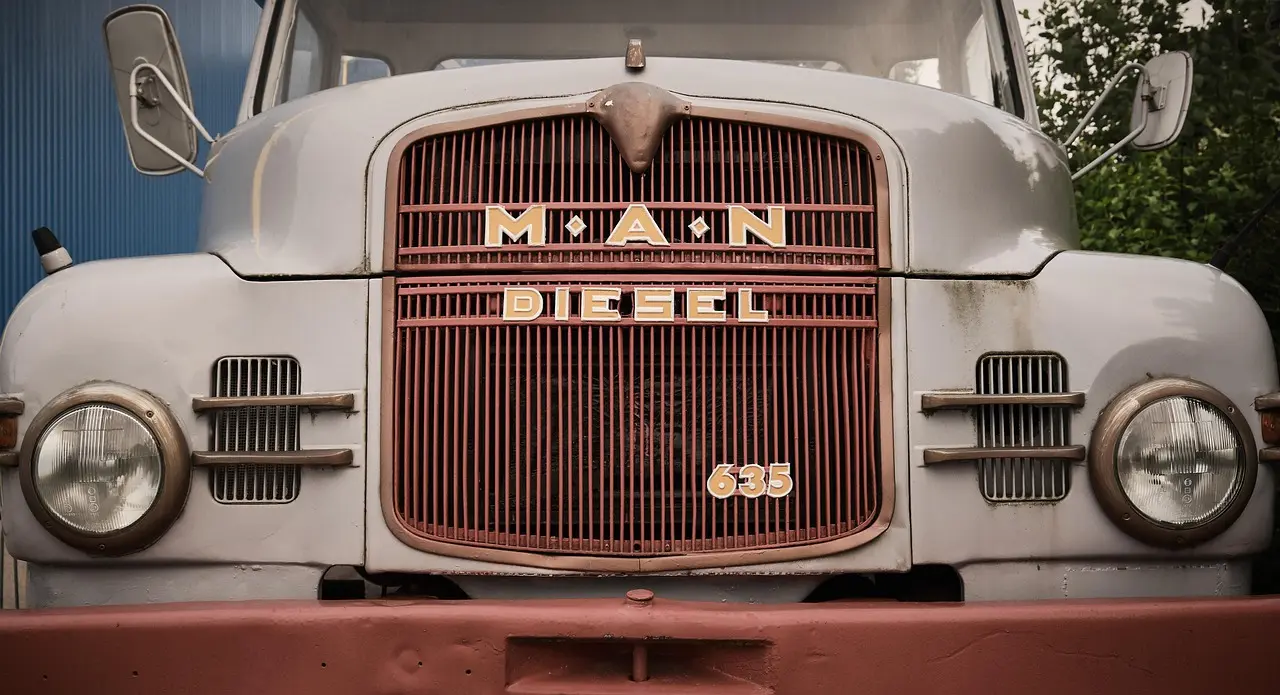
Why Put a Hitch on the Front of a Truck?
Put a hitch on the front of a truck when you need to maneuver trailers, mount a winch or snowplow, or use front-mounted equipment on the vehicle. If you only tow normally, the rear hitch is the better choice. Get it wrong and you can block airflow, overload the front axle, or interfere with steering, sensors, and crash structures. This guide explains what a front receiver does, where it helps, what it cannot fix, and how fitment changes the decision.
What a front hitch
A front-mount hitch installs on the front bumper and frame area of a pickup or SUV. Many use a standard 2-inch receiver tube under the front bumper, so they can accept common shanks, ball mounts, cargo carriers, hitch steps, and certain accessories. The vehicle-specific bracket design matters more than the label on the box.
It is different from the rear trailer hitch you use for normal towing. That matters, because the front receiver is usually a task-specific tool, not a replacement for the rear setup.
Where it mounts
The front hitch bolts into the front frame area, not just the thin bumper cover. That placement needs application-specific clearance around the fascia, lower valance, skid plates, cooling stack, and sensor hardware. If the receiver sits too low, it can reduce approach angle and scrape sooner on ramps, curbs, and snow banks.
Because the mount lives at the nose of the vehicle, it can also become an obstruction. A front receiver can block part of the grille opening and may interfere with parking sensors or front cameras if the vehicle is not designed for that accessory.
Why a 2-inch receiver is common
Many front hitches use a standard 2-inch receiver tube. That size accepts a broad range of accessory shanks and ball mounts, and it is common enough that replacement parts are easy to match. The shank still has to fit the receiver size exactly, and the accessory rating must match the job.
Front hitch uses and limits
A front receiver is useful when the front end is the only practical access point. It is commonly used for cargo carriers, winch mounts, and snow plows. The limit is not the idea; it is the vehicle-specific fit and rating chain.
Snow plows and winter work
Snow plows are one of the most common front hitch uses. The hitch must be designed for the plow load and the specific vehicle application, because plowing loads change the way the front suspension sits and how the receiver handles push forces. A generic receiver is not enough if the plow package calls for a dedicated mount.
For winter work, look at plow compatibility before you look at receiver size. A truck can have a 2-inch front receiver and still be the wrong match for a plow blade if the brackets, wiring, or front-end clearance do not line up.
Cargo carriers without losing rear access
A front cargo carrier can add space without giving up rear towing access. That is useful when the bed is full, or when a rear trailer is already attached and the rear receiver needs to stay open.
Keep the load modest and centered. A front carrier can change airflow to the grille, affect headlights, and make parking harder. It also reduces the amount of spare clearance left at the nose of the truck.
Winch mounts and recovery accessories
Front receivers can accept winch mounts, tow hooks, and D-ring style accessories. That gives you a way to use front mounting for controlled pulls or utility work where front access is the safest path. The hitch rating and the accessory rating both matter.
Do not treat a receiver-rated number as a blank check for recovery. A D-ring mount, shackle, or winch plate can become the weak link long before the hitch itself does. The lowest-rated component should govern the setup, and many receiver accessories are not recovery-rated for stuck-vehicle pulls.
Trailer positioning in tight spaces
Front receivers can help with trailer positioning in tight spots. That is useful for lining up a trailer tongue, backing into a cramped pad, or moving a trailer by inches where the rear view is poor. That is a narrow job, not a general towing upgrade.
For long distances or normal towing, the rear hitch is still the better choice. Front-mounted trailer movement is usually slower and more likely to create visibility or clearance issues than rear towing. Mirrors, a spotter, or a rear hitch extension may be the better solution.
Should you add a front hitch?
Add a front hitch when the task needs front access, low-speed control, or a mount point for a plow, winch, or carrier and the truck-specific fit exists. Skip it when a rear hitch, a winch plate, or a spotter can do the job with fewer clearance and obstruction tradeoffs. The best answer depends on the task, not the idea of extra utility.
Say your pickup has a rear trailer attached and you need to move the front end into a narrow shed opening. A front receiver can help with a slow reposition, but if the path is straight and a second person can guide you, spotter-assisted maneuvering may be simpler and safer.
Suppose a cargo carrier on the front would block the grille and sit low enough to scrape on a driveway apron. In that case, the front hitch may solve the storage problem and create a clearance problem at the same time. A bed carrier or rear carrier may fit the task better.
Front hitch decision table
Use this table to compare the front receiver with other options. The best choice changes with clearance, rating, and access.
| Use case | Required accessory | Likely fitment constraints | Clearance risk | Best option? |
|---|---|---|---|---|
| Snow plowing | Plow-specific front hitch or plow mount | Vehicle-specific brackets, frame mounting, wiring, fascia clearance | High if the receiver sits low or affects approach angle | Front hitch if the vehicle is listed for the plow package |
| Front cargo carrying | 2-inch cargo carrier shank | Receiver size, tongue weight limit, grille and light clearance | Moderate to high | Front hitch for light, compact cargo; rear carrier if the nose is too low |
| Recovery work | Winch mount, tow hook, or D-ring mount | Hitch rating, accessory rating, mounting depth, bumper structure | Moderate | Front hitch when the recovery point must be on the front end |
| Trailer repositioning | Ball mount and correct hitch pin or lock | Receiver size, ball height, low-speed control, trailer tongue weight | Moderate | Front hitch for short, slow moves; rear hitch or spotter for normal handling |
| Normal towing | Rear trailer hitch | Rear frame rating, coupler setup, brake and light wiring | Low | Rear hitch is usually the right answer |
| Stuck-vehicle recovery from the front | Winch mount or recovery shackle setup | Recovery rating, frame attachment, line pull path, sensor clearance | Moderate to high | Front hitch if recovery is part of the truck’s job |
Can your truck accept one?
Fitment is vehicle-specific. A truck can have a front frame area and still need a particular hitch model for the bumper shape, sensor layout, fascia, skid plate, and cooling opening. If the application does not list your exact year, model, trim, and bumper style, do not assume it will fit.
Vehicle-specific fitment checks
- Match the hitch to the exact vehicle application, including trim and bumper type.
- Check that the mounting points line up with the front frame area and not only the bumper cover.
- Confirm that the receiver clears the lower fascia, grille opening, skid plates, and tow hook layout.
- Verify that parking sensors, front cameras, and active safety hardware still function as intended.
- Check whether the front plate or license plate bracket will be blocked.
Receiver size and accessory shank match
If the front hitch uses a 2-inch receiver, the accessory shank must also be 2-inch compatible. A ball mount, cargo carrier, or winch plate with the wrong shank size is the wrong fit. The hitch pin and clip or lock also need to match the receiver and shank hole size.
Do not mix a heavy accessory with a light-duty mount and assume the larger receiver size solves it. The accessory rating, the hitch rating, and the vehicle mounting points all have to agree.
Safety and rating checks
The usable rating is limited by the lowest-rated component in the chain. That can be the hitch itself, the receiver tube, the accessory shank, the winch plate, the recovery hardware, or the vehicle mounting points. This is where many buyers overread the numbers and miss the real limit.
Front hitch ratings are not one single number. A straight-line pull rating applies to a pull in line with the setup, while towing, cargo, and tongue-weight limits depend on the hitch, the accessory, and the vehicle mounting points. Use the rating that applies to your exact setup, then stay at or below the weakest part of the system.
Plate, light, and camera obstruction
Check for front plate obstruction, headlight wash, and sensor blockage before you commit to the mount. A front cargo carrier or winch plate can obscure the plate or interfere with cameras and parking sensors. That can create legal or safety trouble even if the hitch itself is rated correctly.
Road-use and local rule checks
Local road-use rules can limit what you can leave on the front receiver. Some places care about plate visibility, lighting, and object protrusion. Others care about whether the accessory sits far enough forward to create a hazard in traffic or parking. Verify the local rules before you carry a plow blade, carrier, or recovery setup on the road.
Do not assume a work accessory is road-legal just because it bolts on. A front receiver used for jobsite movement may still need to come off for street use.
What accessories can go up front?
Common front hitch accessories include ball mounts for low-speed trailer movement, cargo carriers, hitch steps, winch mounts, tow hooks, D-ring mounts, and snow plow hardware. The accessory has to fit the receiver and the load rating.
Ball mounts for low-speed trailer movement
A ball mount can be used with a front receiver for trailer maneuvering. It must match the receiver size and the towing setup, and it should be secured with the proper hitch pin and clip or lock. Use this for slow positioning, not as a substitute for the rear towing setup.
Keep the load within the front axle load limits and the tongue-weight limits for the vehicle when repositioning a trailer at the front.
Cargo carriers and hitch steps
Cargo carriers work when the front end has enough clearance, airflow, and visibility left after installation. Hitch steps are simpler, but they still protrude into the front space. Both can change approach angle and can scrape earlier than expected on steep driveways or trail entries.
Tow hooks, D-rings, and winch mounts
Recovery hardware belongs on a hitch only when the hitch and the accessory are both rated for the load path. Tow hooks and D-ring mounts are useful for front recovery, while a winch mount supports controlled pulls and repositioning. The mounting system should be designed for that load, not adapted by guesswork.
Snow plow compatibility
Snow plow fitment deserves its own check. The plow may need a vehicle-specific front hitch, bracket set, wiring package, and suspension setup. A generic receiver that happens to fit the tube size is not the same thing as a plow-ready front mount.
Frequently asked questions
What is a hitch on a vehicle?
A hitch on a vehicle is a mounting point for towing or carrying accessories. On trucks and SUVs, the rear hitch is the common setup, but a front receiver can also hold a ball mount, cargo carrier, winch mount, or recovery hardware when the vehicle-specific application allows it.
What is a hitch used for on the front of a truck?
A front hitch is used for plowing, controlled recovery work, cargo carrying, hitch steps, and slow trailer positioning. It is most useful when the front of the truck has to do the work and the rear hitch needs to stay available. It is not a general replacement for normal towing hardware.
Does a front hitch affect towing capacity?
No front hitch increases towing capacity. The usable limit still comes from the lowest-rated component and the vehicle’s listed ratings. A front mount can help with maneuvering or accessory mounting, but it does not change the rear tow rating, axle limits, or the vehicle’s approved towing setup.
Can you use a front hitch for maneuvering a trailer?
Yes, but only for slow, careful movement in tight spots. For longer moves, reversing with mirrors, using a spotter, or staying with the rear hitch is often the better choice because it gives cleaner control and fewer clearance problems.
How do I know if my truck can take a front hitch?
Check the exact year, model, trim, bumper type, sensor layout, and frame mounting points against the hitch listing. If the application does not name your truck, or if the receiver would block the grille, plate, or sensors, the fit may be wrong. Vehicle-specific lookup is the safe answer.
What accessories can go on a front hitch?
Common accessories include cargo carriers, winch mounts, tow hooks, D-ring mounts, hitch steps, and ball mounts for low-speed trailer repositioning. Many front mounts use a standard 2-inch receiver, but the accessory shank has to match the receiver size and the accessory rating has to fit the job.
