
How to Choose a Trailer Hitch for Your Truck, SUV or Van
Choose the hitch by vehicle and trailer first. Light utility trailers often fit a Class 1 or 2 receiver, while many SUVs and vans towing campers or enclosed trailers may need a Class 3 or 4 receiver, and the hitch should match the truck’s, SUV’s, or van’s tow rating and mounting points. A mismatched hitch can cause poor fit, reduced control, or a setup that cannot legally handle the trailer’s gross weight. This guide covers hitch types, vehicle fit, mounting locations, and weight limits so you can choose the right setup.
Trailer hitch selection matrix
| Vehicle type | Trailer type | Receiver/class | Mounting location | Typical use case | Key weight checks | Red-flag mismatches |
|---|---|---|---|---|---|---|
| Pickup truck | Travel trailer | Receiver hitch, often Class 3 or 4 | Rear frame rails or factory tow points | Camping, enclosed trailers, general towing | GVWR, GAWR, GTW, TW, vehicle tow rating | Receiver too light for the trailer, tongue weight above limit, hitch not matched to frame mounts |
| Pickup truck | Gooseneck trailer | Gooseneck hitch | Truck bed ball mount | High-capacity livestock, equipment, heavy trailers | GTW, TW, axle limits, bed payload, truck tow rating | Trying to use a rear receiver instead of a bed-mounted gooseneck setup |
| Pickup truck | Fifth-wheel trailer | Fifth-wheel hitch | Truck bed mounting | Large RV trailers and heavy-duty towing | GTW, TW, bed payload, axle limits, tow rating | Short bed clearance ignored, wrong coupling style, rear receiver used instead of bed mount |
| SUV | Utility trailer, bike rack, cargo carrier | Receiver hitch, often Class 1 to 3 | Rear frame or subframe mounting points | Weekend hauling, small trailers, accessories | GVWR, GTW, TW, accessory load limit, tow rating | Using a bumper hitch for loads the vehicle cannot support, or choosing a class below the trailer demand |
| SUV | Travel trailer | Receiver hitch, usually Class 3 or 4 if rated | Rear frame or factory tow package points | Campers, enclosed trailers | GTW, TW, GVWR, axle ratings, tow rating | Trailer weight exceeds vehicle rating, tongue weight too high, receiver size does not match the ball mount |
| Van | Utility trailer or cargo carrier | Receiver hitch | Rear frame or reinforced mount points | Work hauling, family gear, light towing | GVWR, GTW, TW, rear axle load, tow rating | Rear overhang reduces clearance, cargo carrier overloads the rear axle, hitch not approved for the van’s chassis |
| Truck, SUV, or van | Industrial or farm trailer | Pintle hitch or receiver-adapter setup | Receiver or dedicated rear mount | Equipment, site work, rough ground | GTW, TW, adapter rating, mount rating, vehicle tow rating | Wrong coupler style, adapter exceeds the receiver rating, or the trailer is meant for a lunette ring |
What is a trailer hitch?
A trailer hitch is the connection point between a vehicle and a trailer or towing accessory. The correct choice comes down to three things: the vehicle’s mounting points, the trailer’s coupler style, and the load the vehicle and hitch are rated to carry. Class, mount location, and use case all matter.
Receiver hitch basics
A receiver hitch uses a square receiver tube that accepts a ball mount, cargo carrier, bike rack, or other insert. It is the most common setup for trucks, SUVs, and many vans because it gives the most flexibility. Receiver tube sizes vary by vehicle and class, so you should confirm the exact opening before buying an insert.
Common use cases include towing small to mid-size trailers, carrying a bike rack, and using a cargo carrier. The hitch class tells you the general capacity band, but the vehicle’s own tow rating still sets the final limit.
Bumper, front-mount, gooseneck, fifth-wheel, and pintle options
A bumper hitch mounts to or through the bumper structure and is generally used for lighter-duty towing. A front-mount hitch sits at the front of the vehicle for accessory applications, not as a first choice for trailer towing. Gooseneck and fifth-wheel hitches mount in the truck bed and suit heavier trailers with different coupling styles. Pintle hitches use a hook-and-lunette-ring connection for industrial and agricultural work.
A bumper hitch may support 3,500–5,000 pounds. Front-mount hitches may support 3,000–5,000 pounds. Gooseneck hitches can support 25,000–32,500 pounds. Fifth-wheel hitches can support 16,000–30,000 pounds. Those figures show why the trailer type matters before you choose the hitch.
Which hitch fits your vehicle?
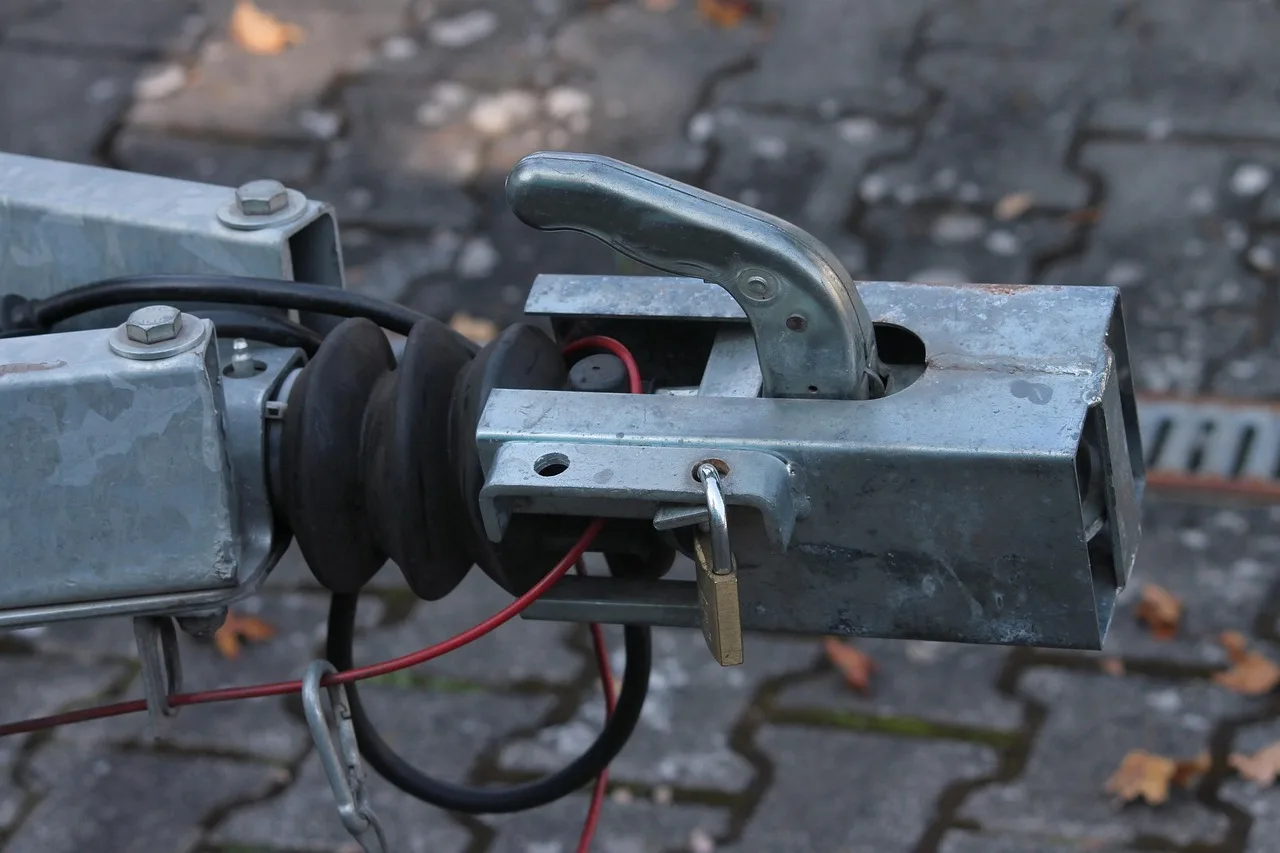
Start with the body style, because trucks, SUVs, and vans use different mounting points and have different packaging limits. Trucks can accept rear receivers, bed-mounted gooseneck or fifth-wheel setups, and, in some work cases, pintle hitches. SUVs and vans usually point you toward a rear receiver, with the exact class set by the vehicle rating and trailer weight.
Truck priorities
Pick a truck hitch based on the trailer’s coupling style and the way you need to use the bed. If you need bed access for tools or cargo, a rear receiver may be simpler than a fifth-wheel or gooseneck setup. If the trailer is built for a kingpin or gooseneck ball, the hitch type is determined by the trailer, not by preference.
Say your truck will pull an enclosed equipment trailer on weekends. A receiver hitch may be enough if the trailer stays within the truck’s rating and the coupler matches a standard ball mount. If the trailer is a large RV with a kingpin, the correct choice shifts to a fifth-wheel hitch in the bed.
SUV priorities
An SUV usually points to a rear receiver hitch because that is the most practical mount location for towing and accessories. The main checks are the vehicle’s tow rating, the receiver class, and the load that the rear axle can carry once tongue weight is added. SUVs also need clearance for the rear hatch, spare tire, and rear sensors.
A common first-timer mistake is choosing a hitch only by the trailer’s ball size and ignoring the SUV’s load limit. That can leave you with a setup that fits physically but overloads the rear suspension or the receiver itself.
Van priorities
Vans often need more attention to rear overhang, rear axle load, and daily drivability. A long rear body can make a trailer feel heavier at the hitch end, even when the trailer is within the vehicle’s tow rating. For many vans, a receiver hitch is the right answer, but the exact mount and class should follow the chassis and the manual.
Picture a cargo van used for deliveries and occasional trailer work. A receiver hitch may be the best fit if you need a bike rack during the week and a small trailer on weekends. If the van’s rear structure is not rated for the load, no hitch class can fix that mismatch.
How do hitch class and weight limits work?
Hitch class helps narrow the choice, but weight limits finish the job. The four key ratings to know are GVWR, GAWR, GTW, and TW. GVWR stands for Gross Vehicle Weight Rating, GAWR stands for Gross Axle Weight Rating, GTW stands for Gross Trailer Weight, and TW stands for Tongue Weight.
GVWR, GTW, and tongue weight
GVWR is the vehicle’s maximum loaded weight. GTW is the trailer’s loaded weight. Tongue weight is the downward force on the hitch, and it should be about 10% to 15% of trailer weight. Too little tongue weight can make the trailer unstable; too much can overload the rear axle and the hitch.
You should stay within the lowest rated part of the towing chain. That means the trailer, hitch, receiver, ball mount, ball, vehicle, and axle ratings all have to line up. If one part is rated lower than the rest, that lower rating controls the setup.
Receiver size and mounting point checks
Receiver tube size must match the insert or ball mount shank. The mount location must also match the vehicle’s structure. A receiver attached to proper frame points is very different from a bumper-mounted setup, and the two are not interchangeable.
-
Check the owner’s manual.
Find the vehicle’s towing, axle, and payload ratings before shopping. Use the manual’s numbers, not a guess from the trailer size or the hitch class alone.
-
Identify the receiver size.
Measure or confirm the square receiver opening and the shank diameter the hitch accepts. The ball mount must fit without adapters that lower the rating unless the adapter is specifically approved for that use.
-
Match the mount location.
Confirm whether the hitch mounts to the frame, bumper, truck bed, or another approved point. Do not choose a mount location that the vehicle was never built to support.
-
Verify trailer dimensions.
Check the coupler size, shank diameter, and any needed drop or rise so the trailer tows level. Measure the trailer in loaded condition if possible, because cargo changes tongue weight and hitch height requirements.
-
Compare loaded weight limits.
Compare GVWR, GTW, GAWR, and TW against the actual loaded trailer and vehicle. The hitch is only acceptable when every limit stays in range.
Which hitch type matches your trailer?
The trailer’s coupling style decides a lot of the answer. Travel trailers usually lead you toward a receiver setup or, for heavier units, a fifth-wheel hitch if the trailer is built for it. Equipment trailers and farm trailers may point to a pintle connection. Bike racks and cargo carriers usually stay with a receiver hitch.
Travel trailers and camper towing
Most travel trailers use a standard ball coupler and typically pair with a rear receiver hitch. A fifth-wheel trailer is different and needs a fifth-wheel hitch in the truck bed. A gooseneck trailer also uses a bed-mounted ball, but the trailer and coupler must be built for that style from the start.
If you are comparing a travel trailer to a fifth-wheel or gooseneck trailer, do not choose the hitch by size alone. Choose it by coupler type, bed access needs, and the vehicle’s actual tow rating. The wrong mount location can make the setup awkward or impossible to use.
Utility trailers, bike racks, and cargo carriers
Light utility trailers, bike racks, and cargo carriers usually fit best with a receiver hitch. A bumper hitch may work for light-duty towing or accessory use on some vehicles, but the bumper structure itself may limit what you can safely carry. Front-mount hitches are mainly for accessory applications and short-distance utility, not routine trailer towing.
A receiver hitch also gives the most flexibility for swapping between towing and accessories. That matters if you use the vehicle for errands during the week and trailer work on weekends.
Industrial, farm, and equipment use
Pintle hitches are built for hook-and-lunette-ring connections and are common in industrial and agricultural settings. They are useful when the trailer sees rough ground or when the coupler is already built for that style. Some receiver-adapter setups exist, but the adapter and the receiver must still stay within the rated limits.
Do not force a pintle-style trailer onto a standard ball setup or use an adapter that changes the load path in a way the hitch was not designed to handle. The trailer and hitch have to agree on the coupling method.
What should you check before buying or installing?
Before you buy or install a hitch, confirm the vehicle’s manual ratings, the receiver size, the coupler size, the shank diameter, the needed drop or rise, and the loaded tongue weight. Also check whether the trailer is a ball-coupler, gooseneck, fifth-wheel, or pintle setup. Fitment errors usually show up here, not after towing starts.
-
Read the manual ratings.
Look up GVWR, GAWR, GTW, and tongue weight limits in the owner’s manual or towing guide. If the manual gives a tow package requirement, follow that exactly.
-
Confirm hitch compatibility.
Check the vehicle’s approved hitch class and mounting points. If the hitch is meant for a different chassis or trim, leave it out.
-
Match trailer hardware.
Verify the coupler size, ball size, shank diameter, and whether you need drop or rise to keep the trailer level. A level trailer helps stability and braking.
-
Check accessory clearance.
Make sure the hitch will not block doors, sensors, spare tires, bed steps, or cargo access in daily use. Ground clearance and departure angle matter on trucks, SUVs, and vans alike.
-
Plan the installation.
Follow the vehicle and product manual, never work under a vehicle held only by a jack, never exceed the vehicle’s rated roof, hitch, or tow limit, keep items out of airbag zones and the driver’s view, and check local laws. If the hitch requires drilling, wiring, or torque specs, use the stated procedure for that exact model.
Install and fitment tradeoffs
Ground clearance, bed access, and daily drivability often decide between two otherwise acceptable hitches. A truck with a fifth-wheel or gooseneck setup gives strong towing ability, but it reduces open bed space. A rear receiver keeps the bed open but may not suit the heaviest trailers. Front-mount hitches help with accessories or limited maneuvering, yet they are not the usual answer for trailer towing.
The right setup is the one that fits the vehicle, the trailer, and the way the vehicle is used the rest of the time. If a setup is hard to access, drags on steep driveways, or makes the rear of the vehicle unstable under load, it is the wrong match even if the parts bolt on.
Frequently asked questions
How do I know which hitch class fits my vehicle?
Start with the owner’s manual and the vehicle’s tow package information. Then compare the trailer’s loaded weight, tongue weight, and coupler style to the hitch class and receiver size. The correct class is the one that stays within the vehicle’s rating and the hitch’s rating at the same time.
Can I put a trailer hitch on an SUV or van?
Yes, many SUVs and vans can use a trailer hitch, especially a rear receiver hitch. The deciding factors are the vehicle’s frame, the approved mounting points, and the tow rating. Some models support towing and accessories well; others are limited to lighter loads or accessory use only.
Do I need a bumper hitch, gooseneck, or fifth-wheel hitch?
Choose based on the trailer. A bumper hitch may suit light-duty towing within its limits. A gooseneck hitch fits a trailer built for a bed-mounted ball. A fifth-wheel hitch is for trailers with a kingpin coupling. The trailer’s connection style decides the setup.
How much weight can my trailer hitch handle?
Use the lowest rated part of the towing chain, not the highest. The hitch, receiver, vehicle, axle, ball mount, and trailer all have limits.
What should I check before installing a trailer hitch?
Check the owner’s manual, the approved mount points, the receiver size, the coupler size, the shank diameter, and the loaded tongue weight. Confirm that the trailer and vehicle stay within GVWR, GAWR, GTW, and TW limits. Then follow the installation instructions for that exact hitch model.